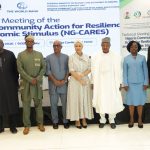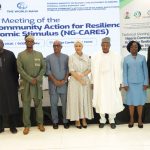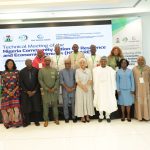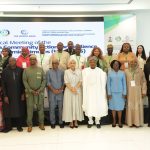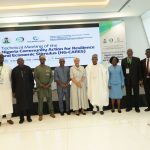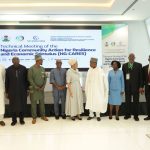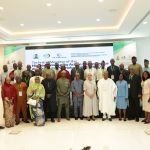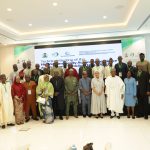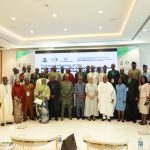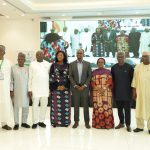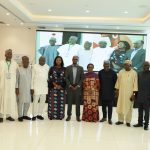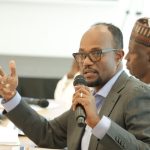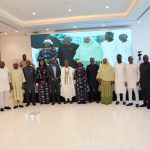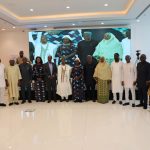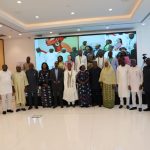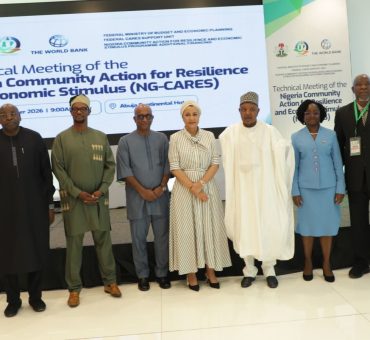


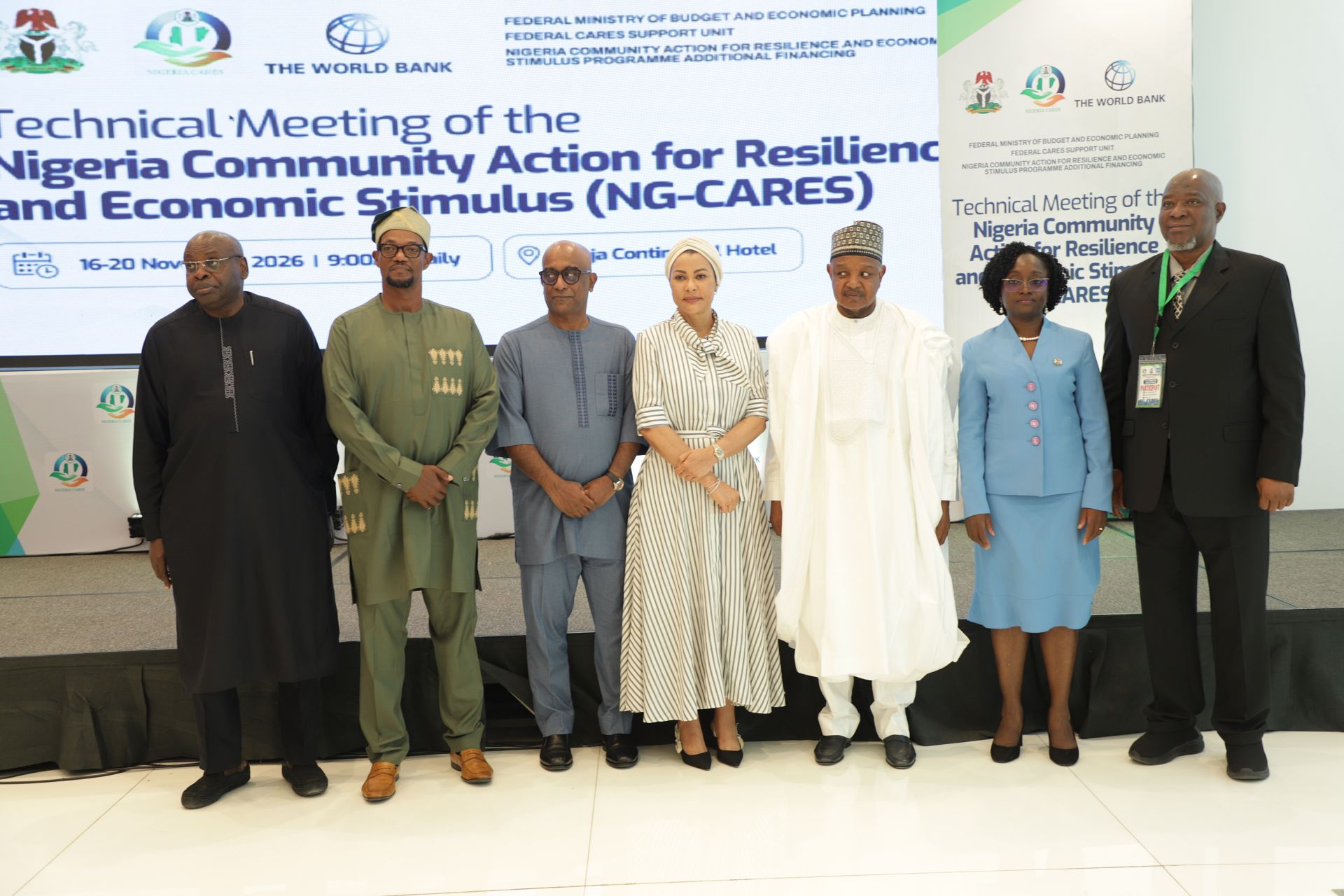
The National Coordinator of the Nigeria COVID-19 Action Recovery and Economic Stimulus (NG-CARES) Support Unit, Dr. Abdulkarim Obaje, has disclosed that $490 million of the $500 additional World Bank assisted financing had been allocated to states, making state governments central to programme implementation.
He explained that the implementation framework would strengthen coordination between federal and state institutions, with governors providing leadership at the state level and relevant ministries supporting budgeting, monitoring and programme delivery.
He made the disclosure in Abuja on Monday at a stakeholders’ technical meeting
Abdulkarim disclosed that 17 states had submitted eligibility documents to the World Bank for clearance, while six others had met federal requirements and were preparing to forward their documents.
He said outstanding documentation and eligibility issues were being addressed to ensure that participating states could proceed with implementation.
The NG-CARES additional financing builds on the achievements of the original programme, with a renewed focus on sustainable poverty reduction, food security, stronger state institutions and improved livelihoods for vulnerable households across Nigeria.
The Federal Government and the World Bank have called on participating states to accelerate the implementation of the Nigeria COVID-19 Action Recovery and Economic Stimulus (NG-CARES) programme’s additional financing, with emphasis on poverty reduction, food security, institutional strengthening and long-term resilience.
Minister of Budget and Economic Planning, Senator Abubakar Atiku Bagudu, said the additional financing would help communities withstand economic shocks and cushion the effects of ongoing economic reforms.
Bagudu recalled that during the COVID-19 pandemic, financial constraints forced Kebbi State to suspend some social intervention programmes, including support for people living with mental health challenges.
He said experiences such as these underscored the importance of sustainable social protection and community resilience programmes.
He urged participating states to use the $500 additional financing as an opportunity to demonstrate the impact of targeted interventions and attract further investments from the private sector and development partners.
The World Bank’s NG-CARES Task Team Leader, Dr. Lire Ersado, described the programme as an effective multi-sectoral intervention that allows states to respond to different economic and social challenges according to their priorities.
He said the programme, initially introduced to cushion the effects of the COVID-19 pandemic, had also supported responses to other shocks, including the 2022 floods. Its interventions cover social protection, food security, agriculture, support for nano, small and micro businesses, and institutional strengthening.
Ersado disclosed that the programme had reached approximately 17.6 million direct beneficiaries, with its wider impact extending to households and local economies through increased spending on education, healthcare and essential commodities.
The World Bank Country Director for Nigeria, Mathew Verghis, said the additional financing would provide an opportunity to strengthen long-term resilience and improve the delivery of social protection services across the country.
He said the programme was expected to reach about 8.9 million beneficiaries, including 4.1 million children, and support approximately 4.5 million households.
He added that the initiative would also strengthen the social register, improve beneficiary identification and promote transparent delivery of financial assistance.